
What Postpartum Anxiety Actually Feels Like
What Postpartum Anxiety Actually Feels Like
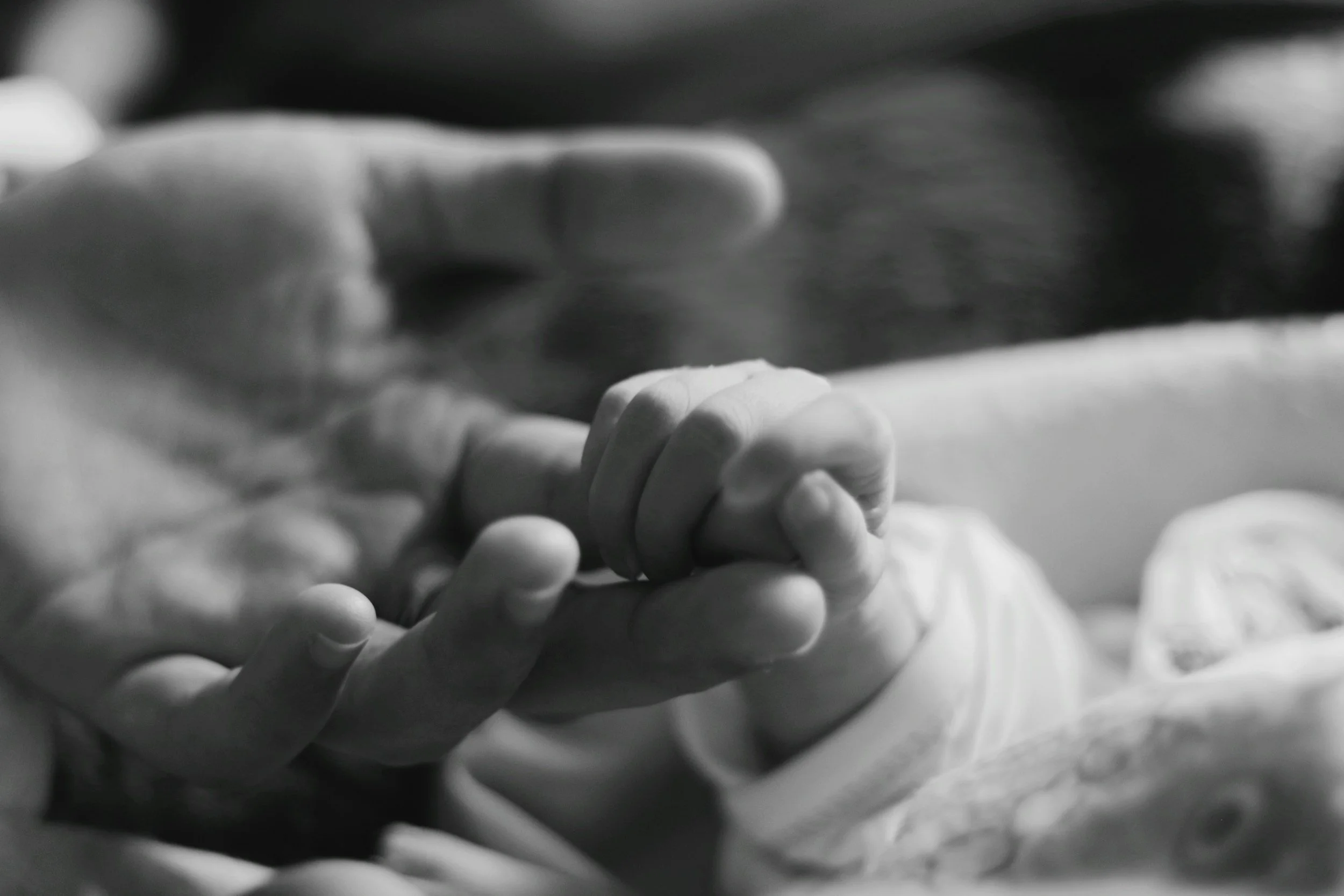
You finally have your baby in your arms.
Everyone tells you this should be one of the happiest times of your life, yet instead of feeling calm and connected, your mind feels like it won't stop.
You might notice:
You're constantly checking to make sure your baby is breathing.
You imagine worst-case scenarios you never wanted to think about.
You feel overwhelmed by worry, struggle to relax, and find yourself constantly on edge.
If this sounds familiar, you are not alone.
Many new mothers experience postpartum anxiety, and it often looks very different than people expect.
What Is Postpartum Anxiety?
Postpartum anxiety is a mental health condition that can develop during pregnancy or after giving birth. While some worry is normal when caring for a newborn, postpartum anxiety goes beyond typical concerns and can begin to affect your daily life, relationships, sleep, and ability to feel present.
Unlike postpartum depression, postpartum anxiety is often driven by excessive worry, fear, racing thoughts, and a nervous system that feels constantly activated.
Common Signs of Postpartum Anxiety
Postpartum anxiety can look like:
Constant worry about your baby's health or safety
Intrusive thoughts or unwanted mental images
Feeling on edge or unable to relax
Racing thoughts
Difficulty sleeping, even when your baby is asleep
Feeling overwhelmed by everyday tasks
Irritability or increased frustration
Difficulty concentrating
Frequently seeking reassurance
Physical symptoms such as a racing heart, nausea, muscle tension, or restlessness
Many mothers tell me they feel like their brain is always scanning for danger, even when everything is okay.
If you're navigating challenges related to motherhood, identity shifts, anxiety, or emotional overwhelm, you can learn more about my Women's Mental Health Counselling services.
You Don't Have to Navigate This Alone
If you're reading this and recognizing yourself in these experiences, know that support is available.
Postpartum anxiety can feel isolating, overwhelming, and exhausting but you don't have to carry it all by yourself.
I offer compassionate postpartum counselling for women navigating anxiety, intrusive thoughts, emotional overwhelm, and the transition into motherhood.
📍 In-person therapy in Pitt Meadows
💻 Virtual counselling across BC
Book a consultation to learn more about how therapy can support you and determine if we're the right fit.
What Are Intrusive Thoughts?
One of the most distressing symptoms of postpartum anxiety can be intrusive thoughts.
These are unwanted thoughts, images, or scenarios that seem to appear out of nowhere.
You may imagine your baby getting hurt, becoming sick, or something terrible happening.
These thoughts can feel shocking and frightening, especially because they go against everything you value as a parent.
It is important to know that having intrusive thoughts does not mean you want them to happen or that you would act on them. In fact, these thoughts are often a sign of how deeply you care.
Why Does Postpartum Anxiety Happen?
There is no single cause of postpartum anxiety.
It can be influenced by:
Hormonal changes after birth
Sleep deprivation
The enormous responsibility of caring for a newborn
Previous experiences with anxiety
Perfectionism and high expectations
Major life and identity changes
Lack of support
Postpartum anxiety often involves a nervous system that feels overwhelmed and overloaded. Learning more about anxiety and emotional regulation can help make sense of what you're experiencing.
Motherhood asks us to adjust to an entirely new role while caring for someone who depends on us completely. That is a significant transition for any person.
What Can Help?
Healing begins with understanding that you are not failing and that you do not have to navigate this alone.
Many mothers find support through:
Therapy and counselling
Nervous system regulation strategies
Breathing and grounding exercises
Increased social support
Improved sleep whenever possible
Self-compassion and realistic expectations
Learning how anxiety affects the brain and body
Small steps can create meaningful change.
When Should You Reach Out for Support?
It may be time to seek support if:
Your anxiety feels difficult to control
Intrusive thoughts are becoming more frequent
You are avoiding activities because of fear
You feel constantly overwhelmed
Your relationships are being affected
You no longer feel like yourself
You do not need to wait until things become unbearable before reaching out.
How Therapy Can Help Postpartum Anxiety?
Therapy provides a safe space to explore what you are experiencing without judgment.
Together, we can work to understand your anxiety, regulate your nervous system, reduce overwhelm, and develop practical tools that help you feel more grounded and connected.
You deserve support, too.
Ready to Feel More Supported?
If postpartum anxiety, intrusive thoughts, or motherhood overwhelm are affecting your daily life, support is available.
Book a consultation to learn how therapy can help you feel more confident, connected, and supported in this season of motherhood.
Postpartum Anxiety Therapy in Pitt Meadows & Online Across BC
At Solarrow Counselling, I support women navigating postpartum anxiety, intrusive thoughts, motherhood transitions, emotional overwhelm, and nervous system regulation.
Whether you are a first-time parent or adding to your family, you do not have to carry this alone.
Consultations are available to help determine if therapy is the right fit for you.
-
Many new parents experience increased worry after having a baby. Postpartum anxiety becomes a concern when the worry feels excessive, persistent, or begins impacting daily life.
-
Postpartum anxiety is often characterized by excessive worry, fear, and racing thoughts, while postpartum depression tends to involve persistent sadness, hopelessness, or loss of interest. Many people experience elements of both.
-
Intrusive thoughts are more common than many people realize. While distressing, they do not mean you want harm to come to your baby.
-
Yes. Therapy can help you understand your symptoms, regulate your nervous system, develop coping tools, and feel more supported throughout your postpartum journey.
-
The duration varies for each person. With support and treatment, many people notice significant improvement over time.
About The Author
Suneeta Johnson RCC, is a Registered Clinical Counsellor and founder of Solarrow Counselling, providing therapy for anxiety, postpartum mental health, emotional regulation, ADHD, grief, and relationship challenges for women, children, teens, and families in Pitt Meadows and online across BC.
Not ready for a call just yet? Stay connected on Instagram!
